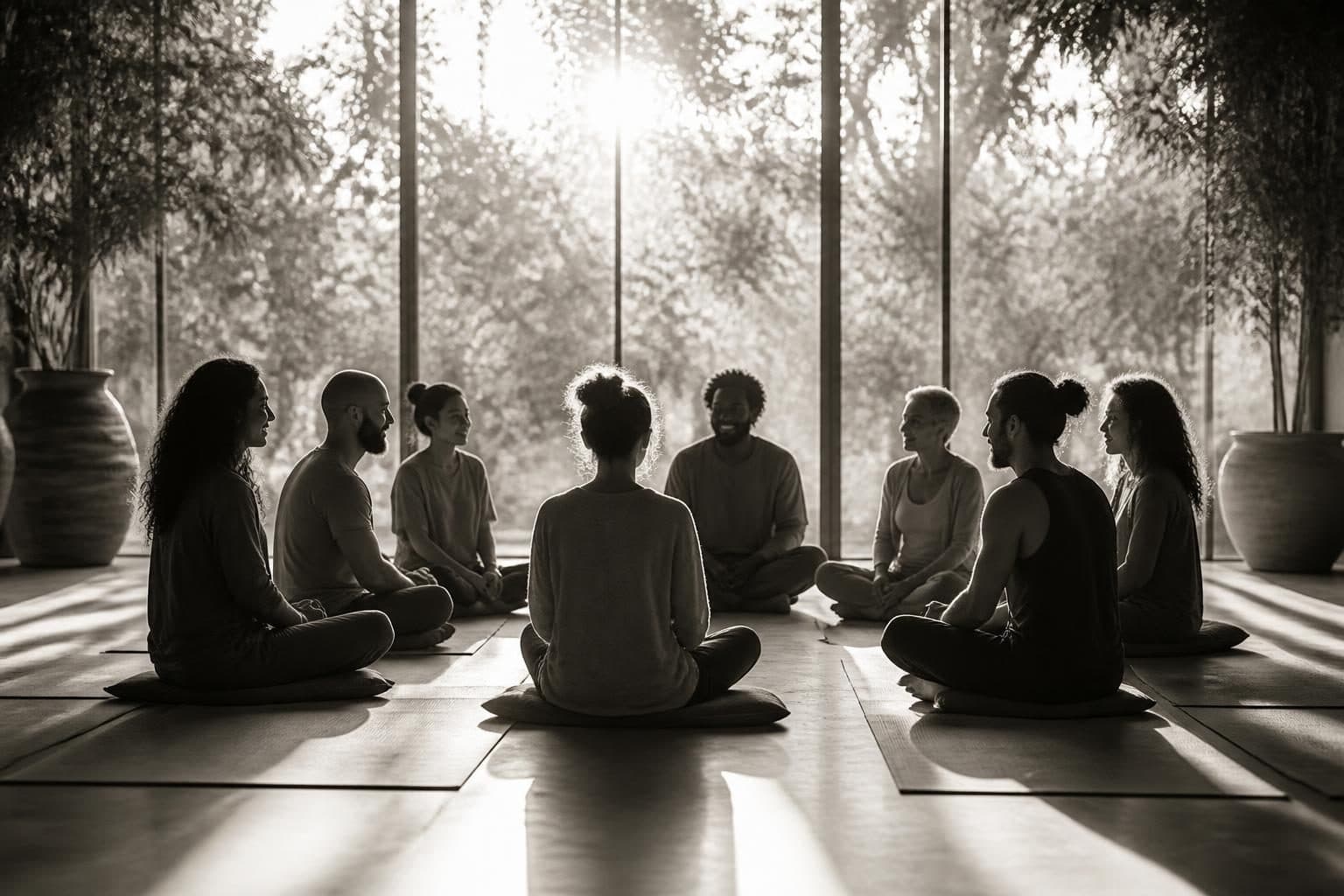
Boost Program Completion: Why Cohorts Beat Self-Paced
You pour your expertise into creating amazing programs for yoga, meditation, and breathwork. You want your students to succeed, to feel the transformation you know is possible. But too many drop off. They get busy, they get lost, or they just lose steam. This isn't just frustrating for you; it means clients aren't getting the full benefit of your work. It's a common problem, and the data shows that overstuffed courses are pushing buyers away.36 The solution might be simpler than you think: move from self-paced to cohort-based learning. This shift can dramatically improve online course completion and engagement. Instead of a solo journey, your clients move together. They build momentum, support each other, and hold themselves accountable. This is especially powerful in fields like yoga, meditation, and breathwork, where shared experience and consistent practice are key.
The Problem with Going It Alone
Self-paced learning has its place. It offers flexibility, which is great. But it often lacks the crucial elements that drive real progress. Without a set schedule or a group of peers, it's easy for motivation to wane. Immediate feedback is also often missing.2 Picture a yoga teacher who creates a series of video lessons. A student watches them on their own time. They might complete a few, but without a live class to attend or a group to practice with, life often gets in the way. They miss a session, then another, and soon the whole program feels overwhelming. This isolation is a major barrier to online course engagement. Learners feel disconnected, both from the material and from you. They don't have others to share their struggles with or celebrate their wins alongside. This is a significant reason why many online courses have low completion rates.
Building Community and Accountability
Cohort-based learning flips this script. When you bring a group of clients together to move through a program at the same pace, you create a powerful dynamic. Cohort learning fosters a strong sense of community and accountability. Everyone is on the same page, facing similar challenges, and working towards the same goals. This shared experience combats the isolation that plagues self-paced programs.1 Clients have built-in support systems. They can ask questions in a group forum, share their progress, and offer encouragement to one another. This student accountability makes them more likely to stick with the program. They don't want to let their peers down, and they benefit from the collective energy.
Synchronicity
The magic of a cohort lies in its synchronicity. Everyone starts together, learns together, and finishes together. This creates a natural rhythm that propels clients forward. For yoga teacher programs or meditation facilitator training, this is invaluable. Imagine a group of aspiring yoga teachers going through your certification program. They have live Q&A sessions, practice teaching each other, and provide feedback in real-time. This collaborative environment accelerates learning and deepens understanding in ways a pre-recorded series simply cannot. This isn't about adding more content. In fact, clients want less information, not more. Overstuffed programs are a turn-off.36 The key is delivering the right content, at the right time, with the right support. A cohort model allows you to do just that. You can guide them through the material, provide timely feedback, and foster a sense of shared journey.
Designing Your Cohort Experience
When designing a cohort-based program, think about the client journey. What are the key milestones? What kind of support will they need at each stage? Consider incorporating live sessions, group discussions, and peer feedback opportunities. For example, a breathwork facilitator might structure a 6-week program. Week one could be an introduction to foundational techniques, with a live group call to practice and ask questions. Week two might focus on stress reduction, with a guided meditation shared for daily practice and a forum for clients to discuss their experiences. The structure provides guidance and prevents learners from feeling adrift.
Moving Beyond Information Overload
The trend is clear: clients are tired of endless content libraries. They are looking for curated experiences that lead to tangible results. Microlearning, which focuses on delivering small, digestible pieces of information, is gaining traction.57 A cohort model allows you to deliver micro-content within a structured, supportive framework. You can break down complex topics into weekly modules. Each module might include a short video, a guided practice, and a prompt for group discussion. This approach ensures clients consume and integrate the material effectively, rather than just passively watching hours of video. It’s about transformation, not just information transfer. To effectively deliver structured, personalized programs, especially in a cohort model, utilize platforms that allow you to upload and organize your existing resources like documents, videos, and frameworks. These tools can then be used to construct programs specifically designed for each client, fostering a shared experience within a cohort. You have the ability to define the program's overall structure, timeline, and interactive components. Managing cohorts efficiently is key. By establishing a consistent program structure for all participants in a cohort, while simultaneously allowing for individual personalization based on their initial responses, you can provide a high-touch, community-driven experience without becoming overwhelmed by manual tasks. Ensuring quality is important, so consider platforms where experts are vetted before publishing their offerings across various categories. Clients can discover these experts through direct links or by browsing a marketplace.
Make the Shift: From Self-Paced to Synchronous
The evidence points to a clear conclusion: cohort-based learning drives better results. It creates engagement, fosters accountability, and delivers a more satisfying client experience. For yoga teachers, meditation facilitators, and breathwork experts, this is a powerful way to boost program completion and ensure your clients achieve the transformations they seek. Instead of sending clients off on their own, invite them to on a journey together. Design a program with built-in community, shared accountability, and a clear path forward. Your clients will thank you for it, and their success will speak volumes about your expertise.
Try this today: Plan your first cohort session
Before you build a full cohort program, test the waters.
- Choose one module or topic from an existing program you offer.
- Identify 3–5 existing clients who have either completed a self-paced version or expressed interest in your work.
- Invite them to a single, live 60-minute session via Zoom or another video platform.
- Outline the session:
- Welcome & Check-in (10 min): Start with a brief grounding meditation or check-in question related to the topic.
- Core Content Delivery (20 min): Present the key information for that module, keeping it concise.
- Interactive Activity (15 min): Include a short breakout room discussion, a poll, or a Q&A.
- Accountability Prompt (10 min): Give them a small, actionable task to complete before your next interaction (even if it's just a hypothetical next interaction).
- Wrap-up & Feedback (5 min): Briefly summarize and ask for quick feedback on the live format.
- Send a follow-up email with a brief summary and that accountability prompt. This exercise will give you a taste of the energy and engagement a live, cohort-style session can create. You do not need a new course library. Turn your expertise into a personalized program from the content you already trust, then approve each client version before it ships.